What does it mean to become a leader? To understand another culture? To truly listen? These were just some of the questions our students explored during their recent visit to Shanghai, a city where tradition and innovation exist side by side, and where every street seems to tell two stories at once.
Learning Through Connection
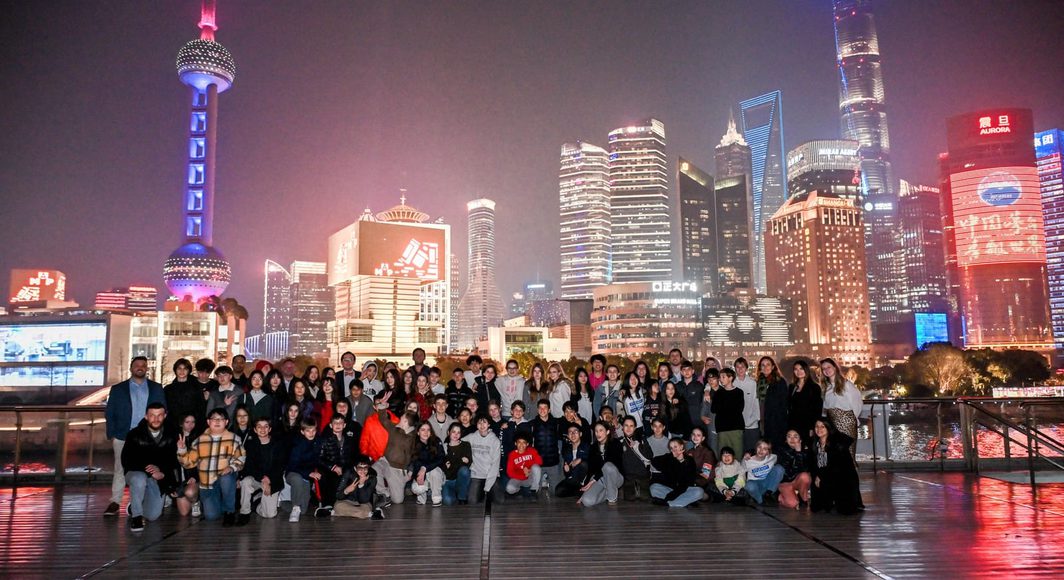
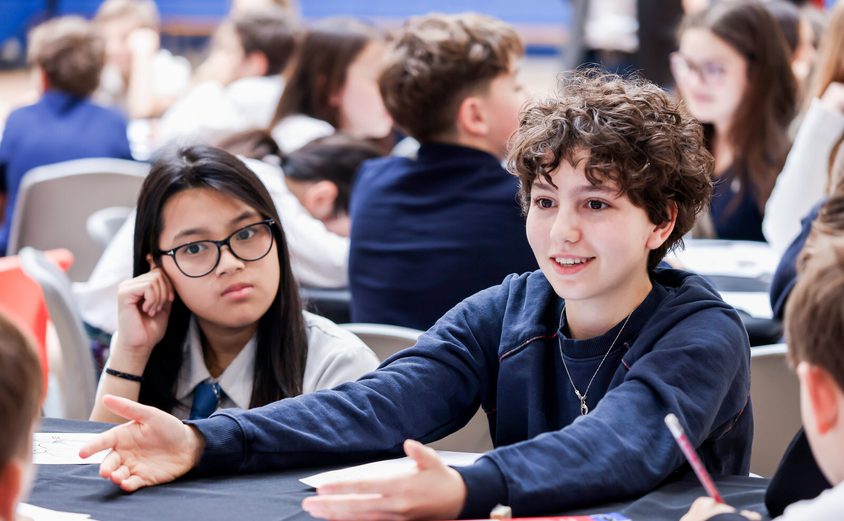
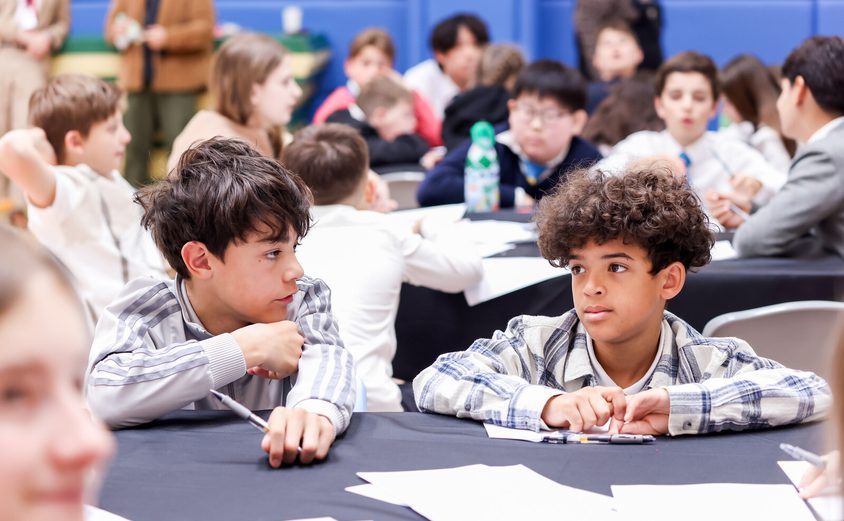
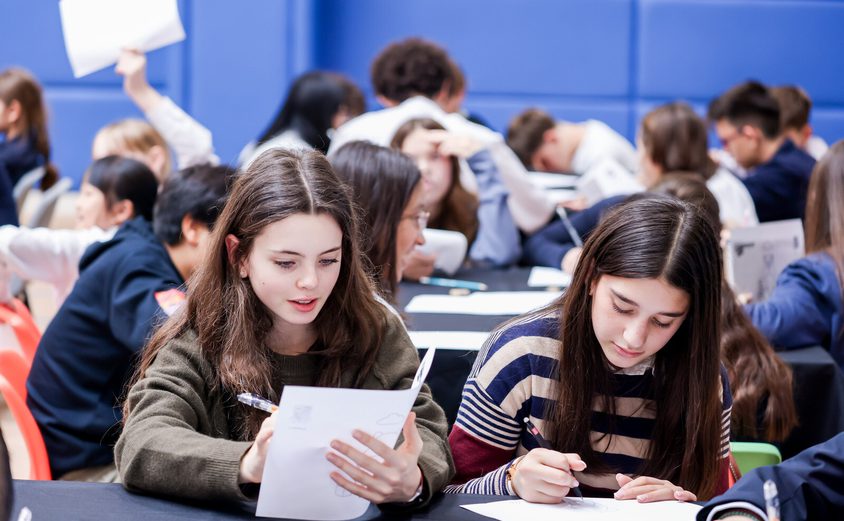
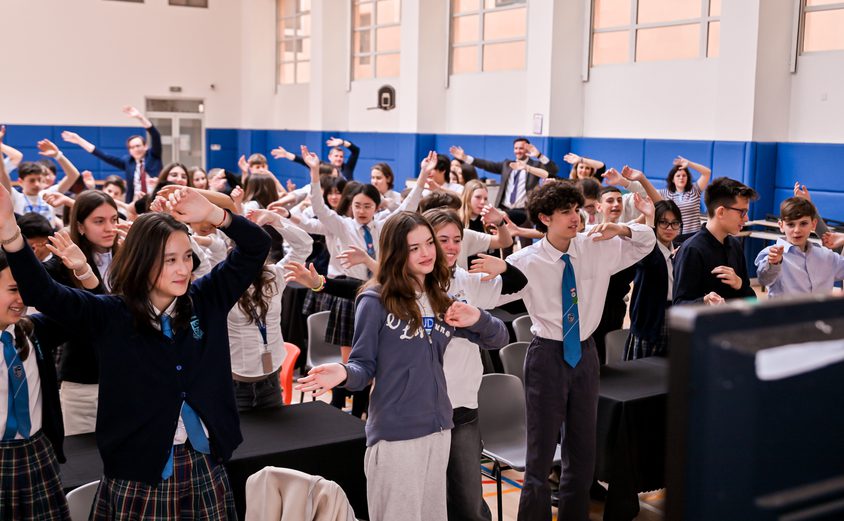
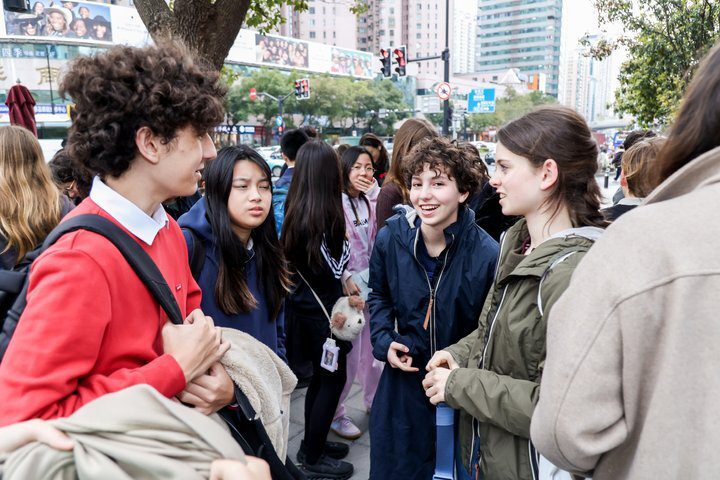
At the heart of the experience was a student conference hosted by Britannica International School Shanghai, where our students joined peers from across Europe. Through UNESCO Story Circles, they shared personal experiences and, more importantly, learned to listen.
This wasn’t just about speaking confidently. It was about empathy. About understanding perspectives shaped by different cultures, languages, and lives. In a world that often moves too fast, students were encouraged to slow down and truly hear one another.
And something remarkable happened: strangers became teammates, and teammates became friends.
The Shape of Leadership
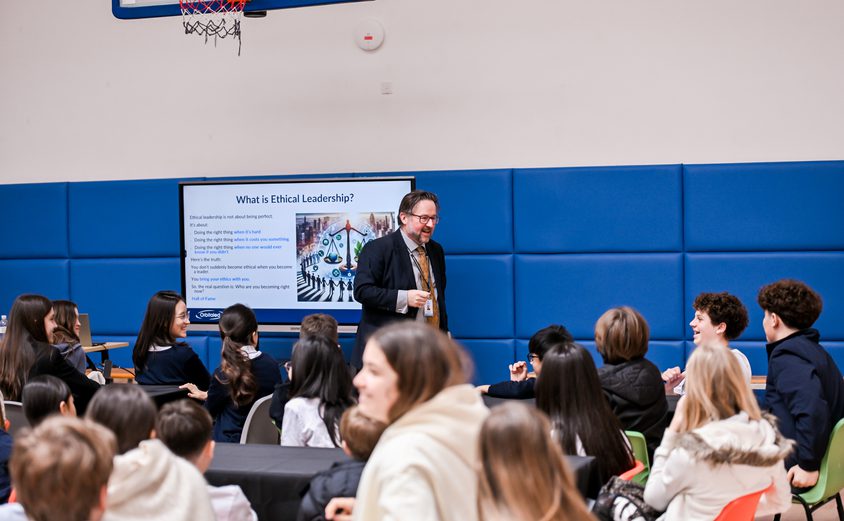
Leadership was a central theme throughout the week, explored not through lectures alone, but through challenge and reflection.
Students were presented with complex ethical dilemmas. There were no easy answers, no obvious “correct” choices. Instead, they were asked to think deeply:
- Can I stand by my decision?
- Can I be trusted?
- Can I look myself in the mirror?
These questions pushed students beyond surface-level thinking. They began to see leadership not as a title or position, but as something built quietly, decision by decision.
As one speaker reminded them: leadership is not something you become one day — it’s something you practice every day.
A Living Classroom
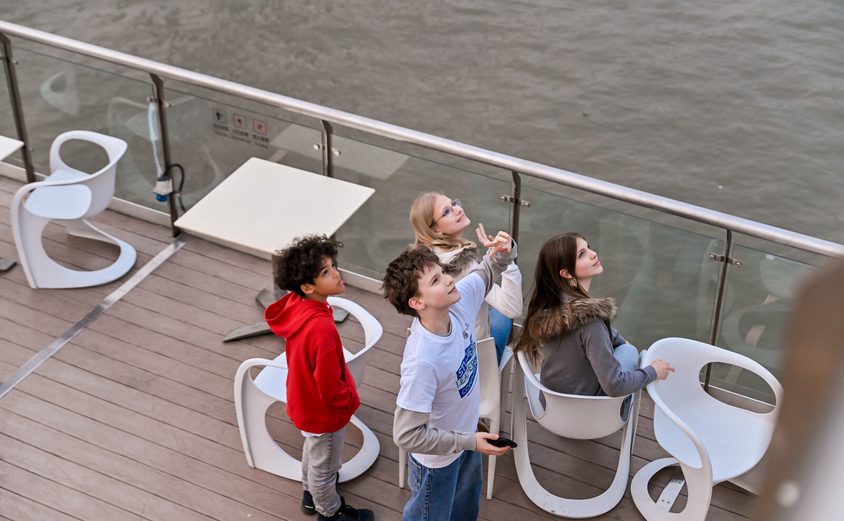
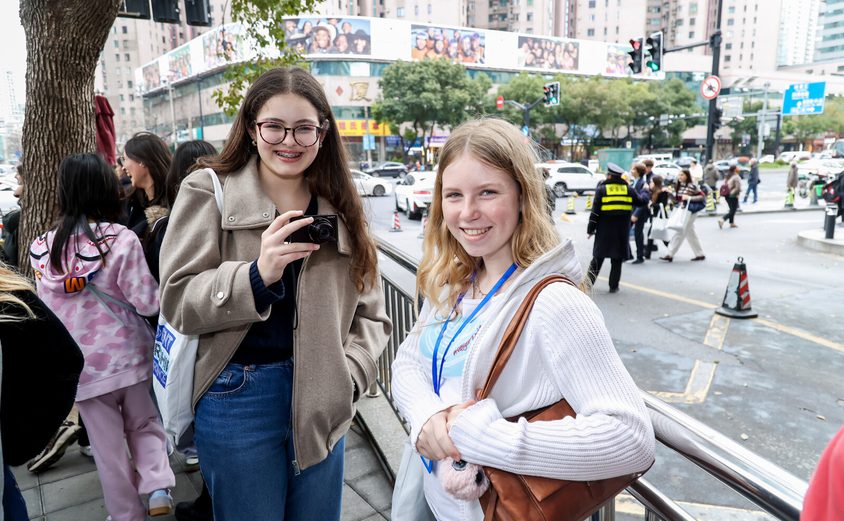
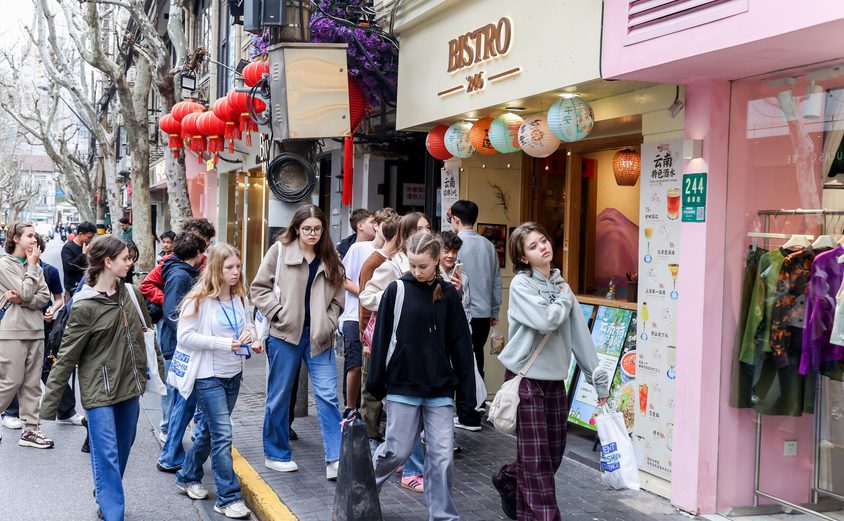
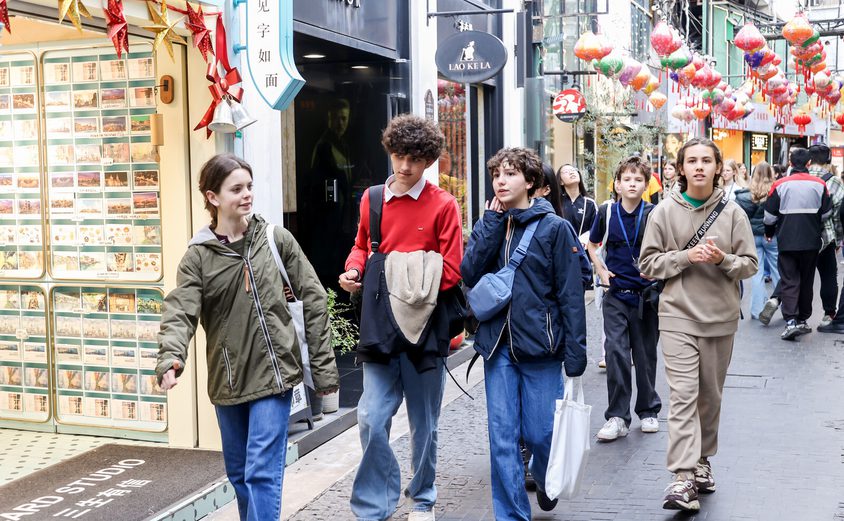
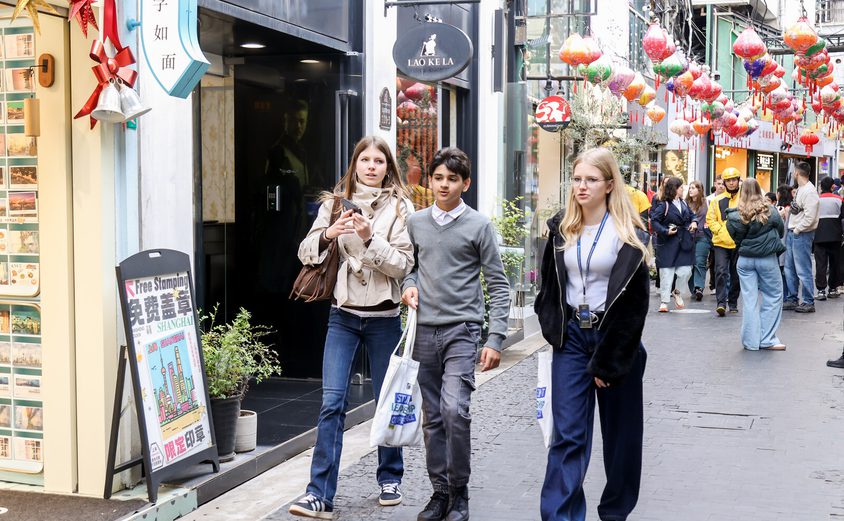
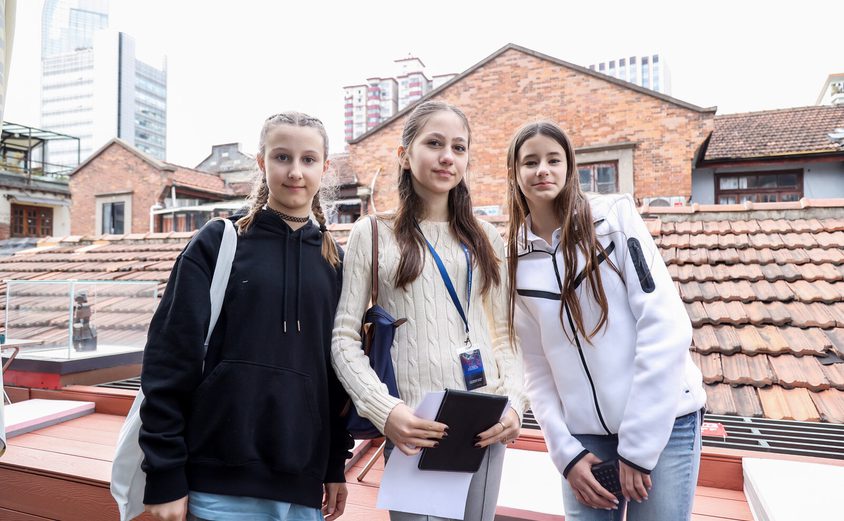
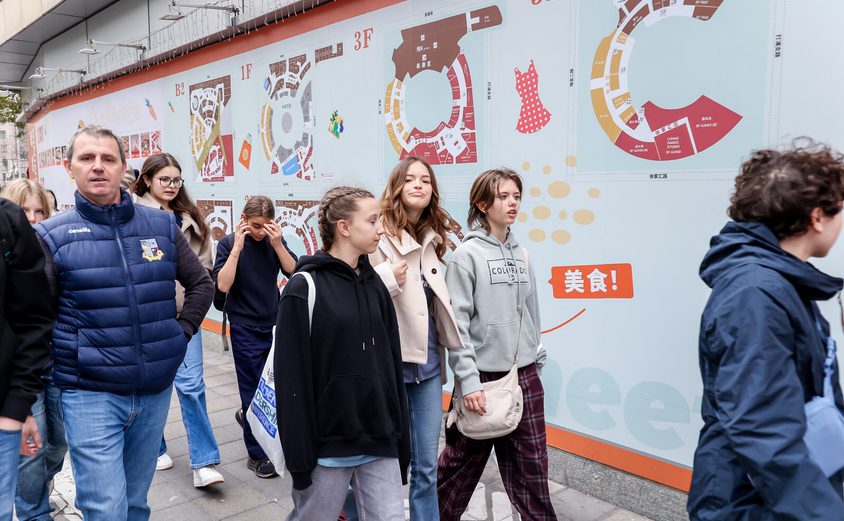
Beyond the conference, Shanghai itself became a classroom without walls.
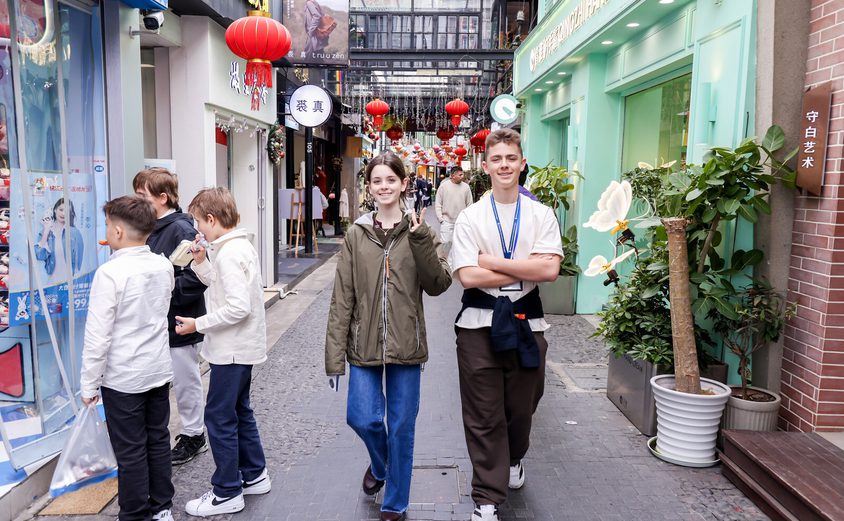
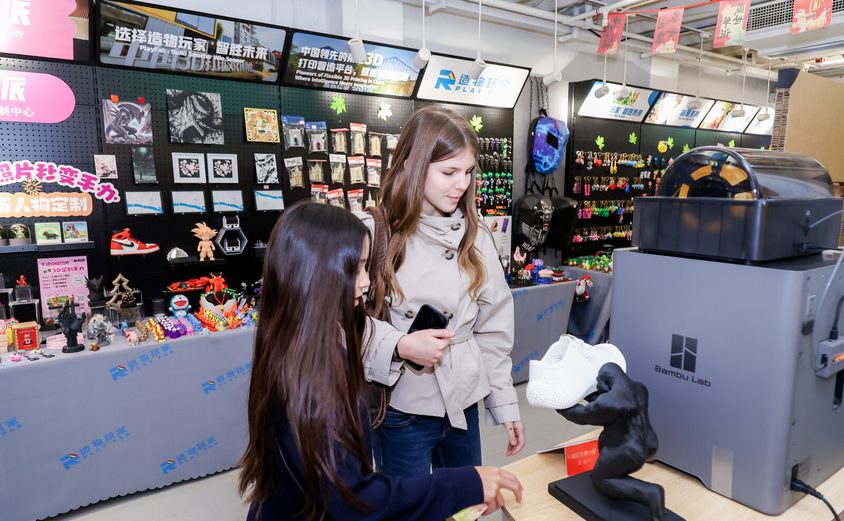
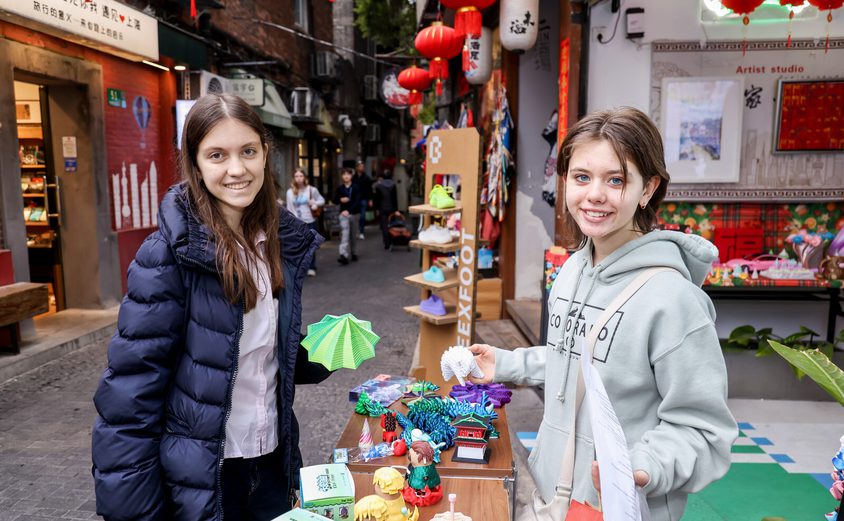
From ancient water towns to modern creative districts, students experienced the layers of history that shape the city today. At places like Qibao Ancient Town, they stepped into a slower, older rhythm of life, wandering through narrow lanes lined with traditional architecture and local markets.
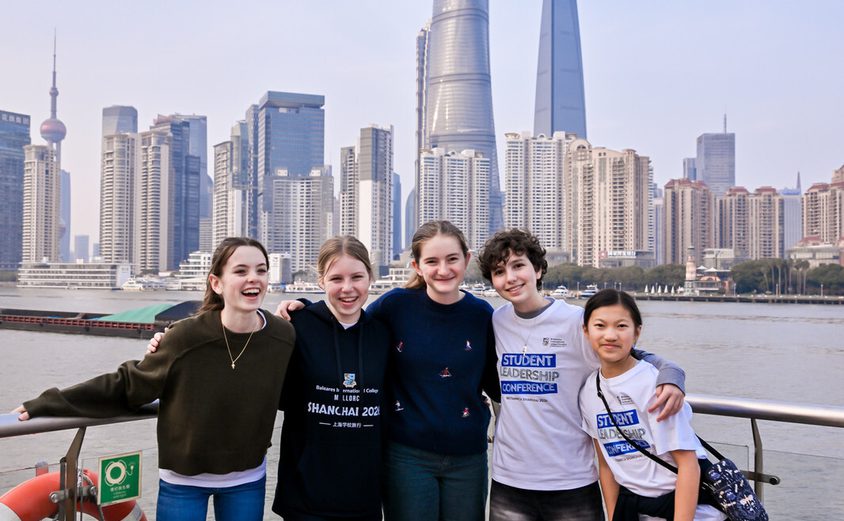
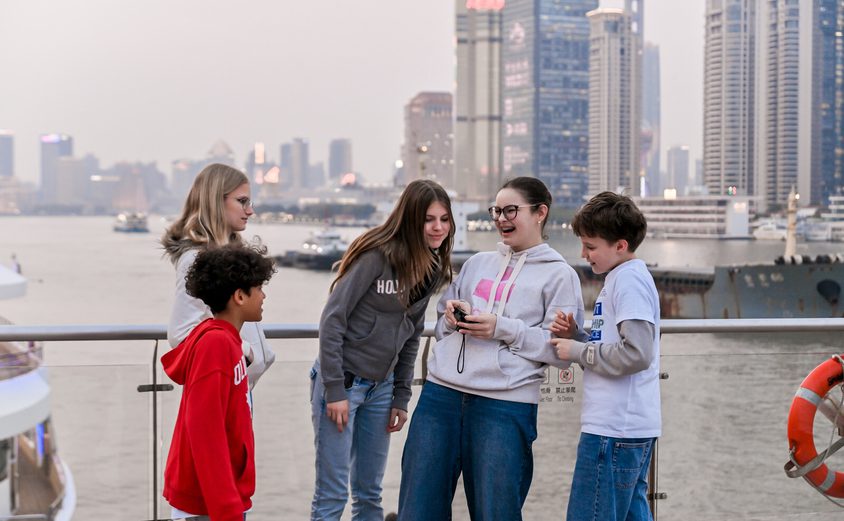
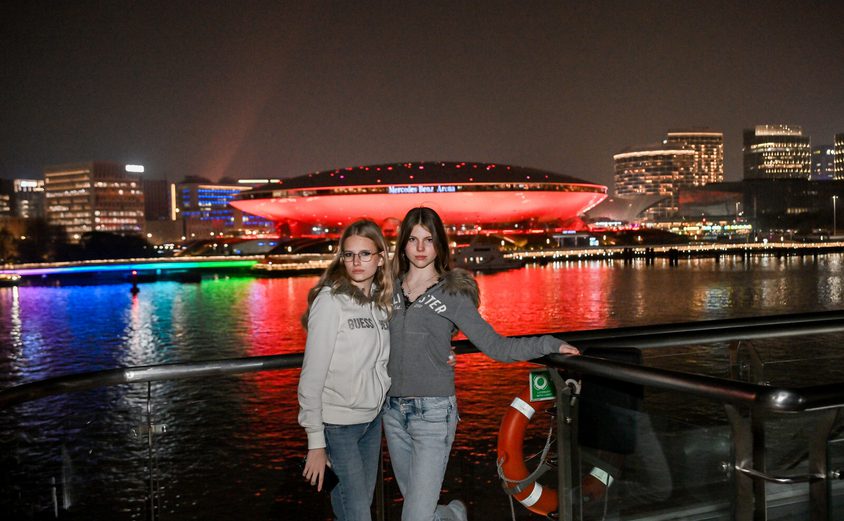
In contrast, the city’s skyline — best seen from The Bund — revealed a bold, futuristic vision. Glass towers rose like sculptures of ambition, reflecting a city constantly looking forward.
This contrast left a lasting impression. While many European cities preserve the past, Shanghai seems to weave past and future together into something entirely unique.





More Than a Trip
By the end of the experience, one thing was clear: this was more than a visit to another country.
It was a journey into independence.
A lesson in empathy.
A challenge to think, reflect, and grow.
Most importantly, it was a reminder that education doesn’t only happen in classrooms. Sometimes, it happens in conversations with strangers, in difficult decisions, and in the quiet realisation that the world is far bigger — and more connected — than we imagine.
And in that sense, Shanghai didn’t just show our students a new place.
It helped them see themselves differently, too.